12 Questions to Ask Before Hiring a Digital Marketing Company
Ask these 12 questions before you sign with a digital marketing company: who does the work, how results are tracked, who owns your accounts, and more.

Before hiring a digital marketing company, ask who will work on your account, what happens in the first 90 days, how success is measured and tracked, who owns the ad accounts and website, what the fee includes, and what they will not promise. Clear, specific answers matter more than the price.
The short version
- Ask who actually does the work and whether any of it is subcontracted.
- Agree on enquiries or revenue as the main measure before starting.
- Ask how calls, forms and WhatsApp enquiries are tracked.
- Keep ad accounts, analytics and the website registered to your business.
- Treat guaranteed rankings or leads as a warning sign.
Most digital marketing proposals look alike. They list SEO, social media, Google Ads and a monthly report, and the price is the only obvious difference. The differences that decide whether the engagement works sit underneath: who actually does the work, what gets measured, and what happens to your accounts if you part ways.
The questions below are the ones worth asking in the first meeting with any digital marketing company, including us. Good agencies answer them easily. Vague answers are a signal in themselves.
Questions about the people and the work
1. Who will actually work on my account?
Ask for names and roles, not a team photo. Find out whether the person in the sales meeting stays involved after you sign, and whether any part of the work is subcontracted. You should be able to speak directly to the people running your campaigns.
2. What will you do in the first 30, 60 and 90 days?
A good answer is specific: tracking set up in week one, a website and Google Business Profile review, the first campaign live by a stated date, SEO fixes prioritised in a written list. "We will start optimising" is not a plan.
3. What do you need from us?
Every engagement depends on the client too: approvals, photos, product details, quick replies to enquiries. An agency that asks this upfront has thought about how the work will run. One that says "nothing, we handle everything" usually finds out later that it needed a lot.
Questions about results and measurement
4. How will you measure success?
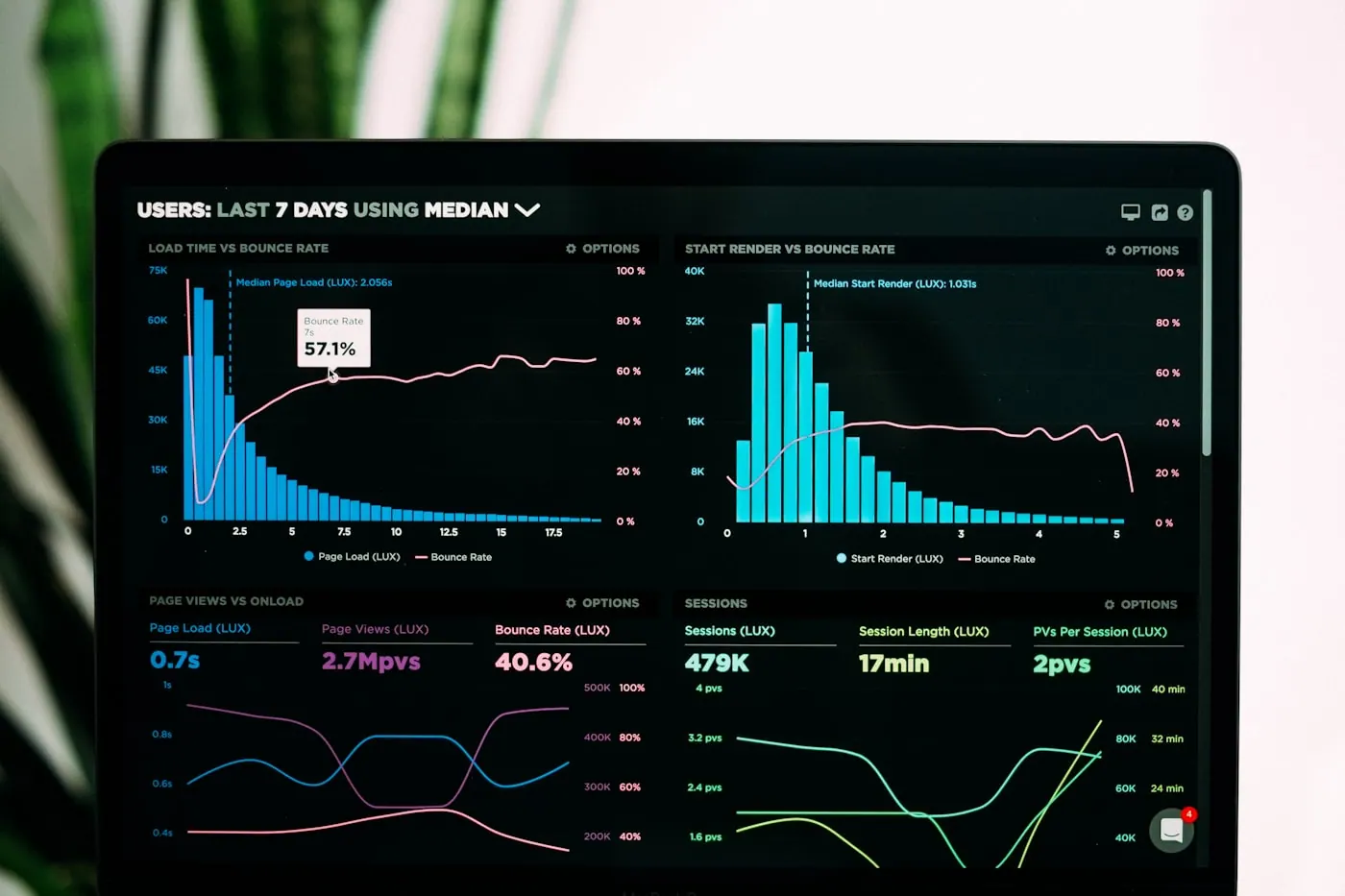
Listen for enquiries, orders and revenue, not only impressions, reach and followers. Those top-of-funnel numbers help diagnose problems, but they do not pay salaries. Agree on the main measure before the work starts so the monthly report cannot quietly change the goalposts.
5. How will you track calls, forms and WhatsApp enquiries?
Many businesses in Tamil Nadu receive most enquiries by phone and WhatsApp, not web forms. Ask how each one will be linked to the campaign that produced it. If the answer is "we will check Google Analytics," ask how a phone call shows up there.
6. Can I see a sample monthly report?
A real sample, with client names hidden, tells you more than any sales deck. Check whether it opens with results and cost per enquiry, or with a long list of activities and screenshots.
7. What will you not promise?
This question separates careful agencies from the rest. Rankings, lead volumes and return on ad spend depend on your market, offer, budget and follow-up, so honest agencies explain what they can influence rather than guaranteeing an outcome. Google's own guidance on hiring an SEO warns that no one can guarantee a number one ranking.
Questions about ownership and contracts
8. Who owns the ad accounts, analytics, website and content?
Your Google Ads account, Meta Business account, Google Analytics, Search Console, domain, website and the content created for you should be registered to your business, with the agency added as a user. If an agency runs ads from its own account, you lose the history and the data when you leave.
9. What is included in the fee, and what is extra?
Check separately for ad spend, creative production, video, landing pages, website changes, tools and software subscriptions. Two proposals at the same monthly price can include very different amounts of work.
10. How long is the contract, and what is the notice period?
Long lock-ins are not always bad, as SEO in particular needs time, but you should know how to exit, what you receive on exit, and whether any setup fee is refundable.
Questions about experience and fit
11. Have you worked with a business like mine, and can I speak to that client?
Industry experience helps, but it matters less than whether they understand how your customers decide. Speaking to a current client for ten minutes is more reliable than reading testimonials.
12. How will we communicate, and how quickly do you respond?
Agree on a channel, a named contact, a response time and a regular review call. Small problems in ad accounts become expensive when nobody looks for a week.
Red flags to watch for in the answers
- Guaranteed rankings, guaranteed leads or a guaranteed return on ad spend.
- Reluctance to give you admin access to your own accounts.
- Reports built around impressions, reach or "keyword positions" with no link to enquiries.
- A large list of deliverables with no explanation of why each one matters for your business.
- Pressure to sign a long contract before any audit or plan is shared.
- No questions about your customers, margins, competitors or sales process.
How to compare two proposals side by side
When you have two or three proposals, put them through the same checks:
- What does each one say it will deliver in the first 90 days, in writing?
- What is the main measure of success, and how will it be tracked?
- What is the total monthly cost including ad spend, production and tools?
- Who owns every account and asset?
- What are the exit terms?
The cheaper proposal is often cheaper because it leaves out tracking, creative or landing pages. Those gaps tend to cost more later than the difference in fees.
How we answer these questions
We built our way of working around most of these questions. Naryon Tech runs SEO, Google and Meta ads, social media and websites as one system, tracks calls, forms and WhatsApp enquiries to the campaign that earned them, and keeps your ad accounts, analytics and website in your name. If you are comparing agencies, you can see how our digital marketing company in Trichy works, or book a discovery call and ask us these twelve questions directly.