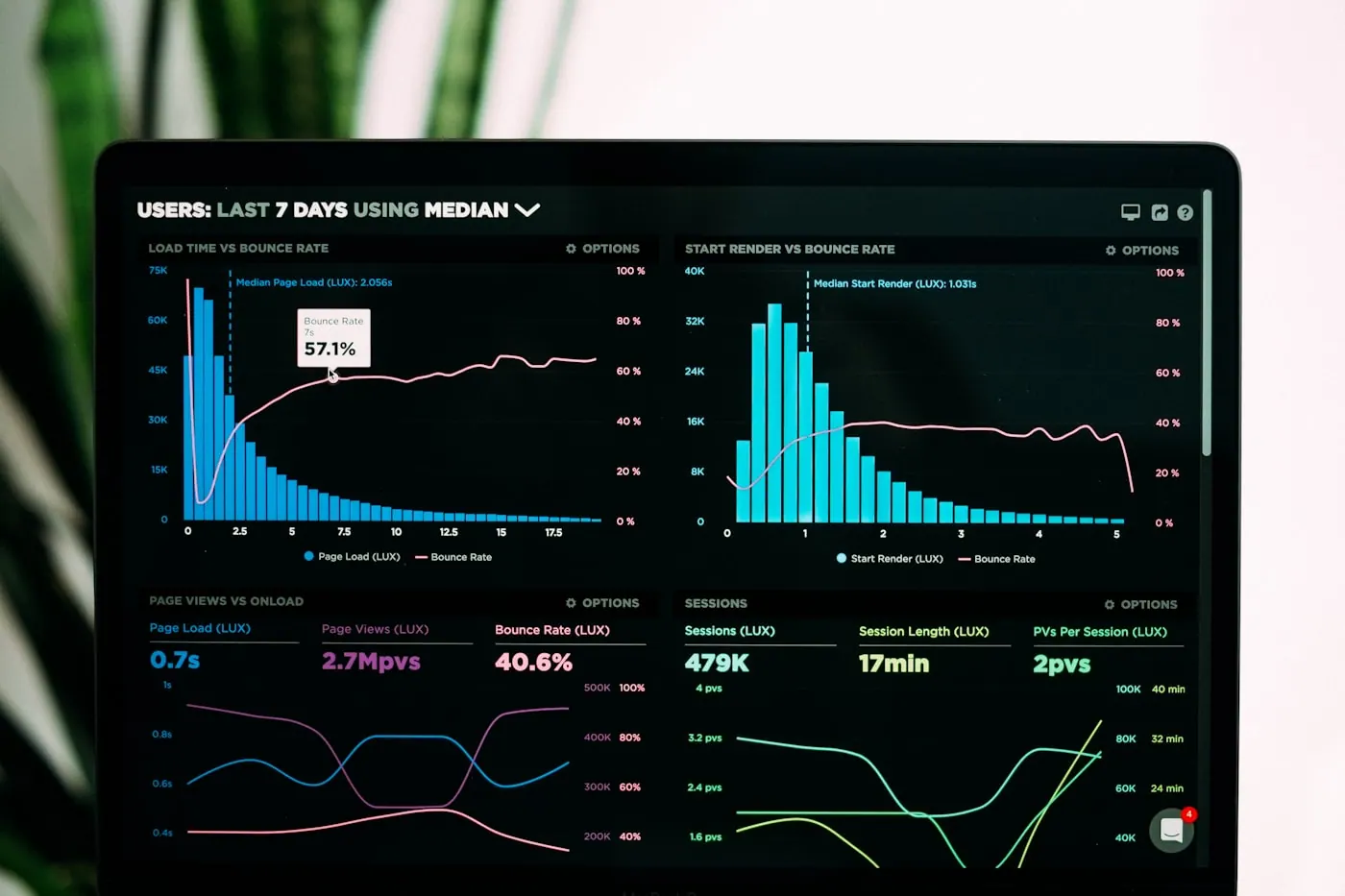
Cost Per Lead vs Lead Quality: How to Read Your Ad Reports
A low cost per lead can hide leads that never buy. How to measure lead quality, track calls and WhatsApp, and judge Google and Meta ads on real sales.
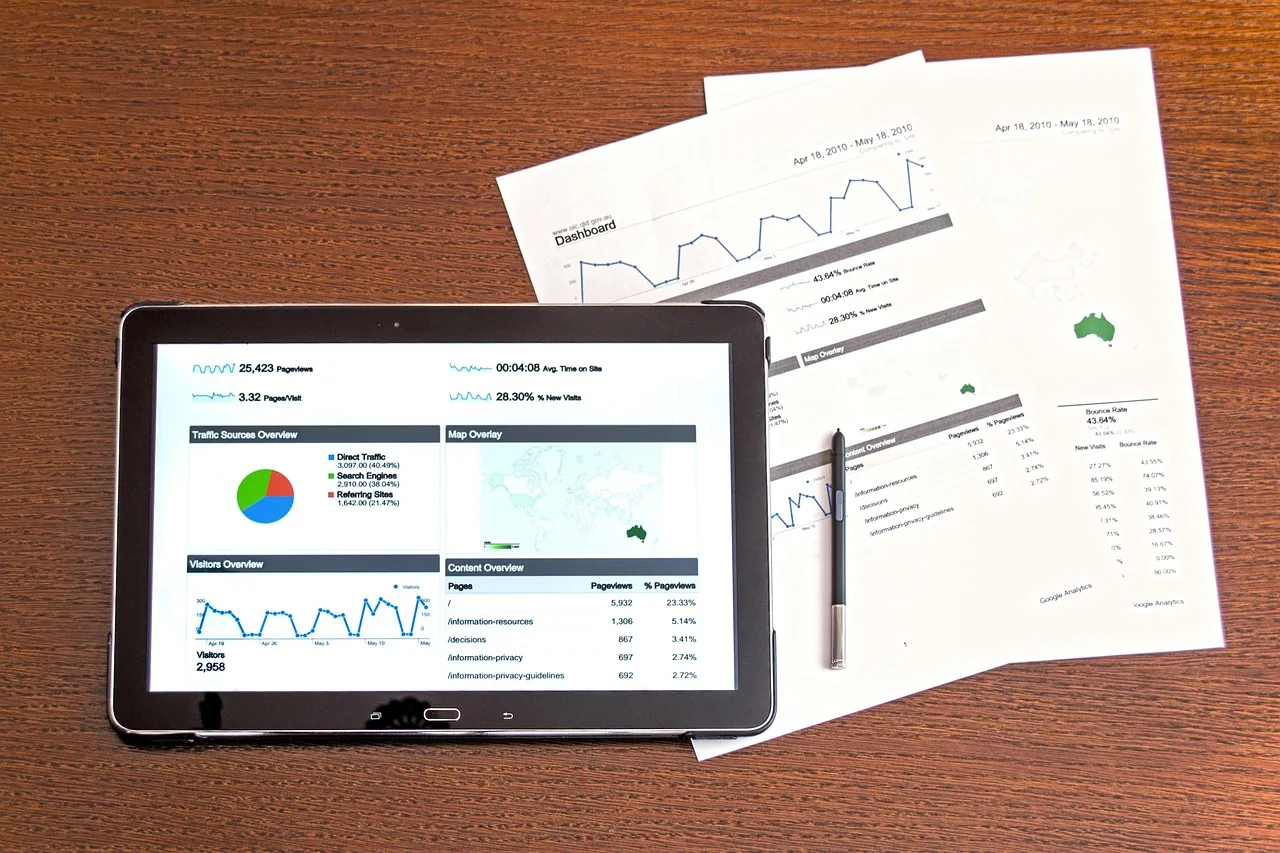
Cost per lead shows what each enquiry costs, but not whether it turns into a sale. Judge ad campaigns on cost per qualified lead and cost per customer instead. Tag every lead as qualified, not qualified or junk, track calls and WhatsApp as well as forms, and feed real outcomes back to Google and Meta.
The short version
- A low cost per lead can hide leads that never buy.
- Track cost per qualified lead and cost per customer.
- Tag every lead: qualified, not qualified or junk.
- Include calls and WhatsApp enquiries, not just forms.
- Send qualified-lead and sales data back to the ad platforms.
"Our cost per lead dropped by half this month" sounds like good news. Then the sales team says most of those leads did not pick up the phone, gave wrong numbers or were never interested in buying. The ad report looked better while the business got worse.
Cost per lead is one of the most quoted numbers in paid advertising and one of the most misread. This guide explains how to look past it, measure lead quality in a simple way, and judge Google and Meta campaigns on what they actually produce.
Why a cheap lead can be expensive
Ad platforms optimise for whatever you tell them counts as success. If a lead is any form submission, the platform will find people who submit forms easily, not necessarily people who buy. That is how campaigns end up with very low costs per lead and very few customers.
A lead only has value if it becomes a sale. So the number that matters is not cost per lead but cost per customer, or at least cost per qualified lead.
Four numbers to look at instead of one
- Cost per lead (CPL): ad spend divided by all leads. Useful for spotting sudden changes, nothing more.
- Cost per qualified lead: ad spend divided by leads that meet your basic criteria, such as genuine need, right location and reachable contact.
- Lead-to-customer rate: the share of qualified leads that become paying customers.
- Cost per customer: ad spend divided by customers won. This is the number to compare with what a customer is worth.
Example, for illustration only: Campaign A brings 100 leads at a low CPL, but only 20 are qualified and 2 buy. Campaign B brings 40 leads at double the CPL, of which 25 are qualified and 6 buy. Campaign B costs less per customer even though its CPL looks worse.
A simple way to grade lead quality
You do not need a complex CRM to start. Ask whoever handles enquiries to tag each lead in a shared sheet or your existing system with one of three labels:
- Qualified: genuine need, right location or category, reachable, a reasonable fit for your offer.
- Not qualified: wrong service, outside your area, budget far below your range, or a job seeker.
- Junk: fake details, unreachable, spam or duplicate.
Add a final column for whether the lead became a customer. Review the sheet weekly with whoever runs the ads. After a month you will know which campaigns, keywords, audiences and ads produce real customers.
Track every enquiry, not just forms
In many Indian businesses, most enquiries arrive by phone call or WhatsApp rather than web forms. If only forms are tracked, the report misses a large part of what the campaigns produce and may credit the wrong channel.
Make sure your setup records:
- Calls from ads and from the website, linked to the campaign that produced them.
- WhatsApp chats started from ads or website buttons.
- Form submissions and instant lead forms.
If a call comes in and nobody can say which campaign produced it, the budget decisions that follow are guesses.
Why lead quality differs between Google and Meta
Google Search ads
People are actively searching for something, so intent tends to be higher. Quality problems usually come from loose keyword matching. Review the search terms report regularly and add negative keywords for searches like "jobs", "free", "course" or unrelated services.
Meta ads (Facebook and Instagram)
People are scrolling, not searching, so ads interrupt them. Meta's instant lead forms are convenient and often produce cheaper leads, but the low effort to submit can also mean lower intent. Options that add a little friction, such as a higher-intent form type with a review step, qualifying questions, or sending people to a landing page, usually reduce volume and improve quality. Test both and judge by cost per customer.
Feed real outcomes back to the ad platforms
Both Google Ads and Meta let you send back information about which leads became qualified or turned into sales, through offline conversion imports and server-side conversion tools. When the platforms learn which leads actually matter, they can optimise towards similar people instead of towards the easiest form-fillers. This needs your enquiry data to be recorded consistently, which is another reason to start the simple tagging sheet now.
Questions to ask about your ad report
- How many of these leads were qualified, and how many became customers?
- Which campaigns, keywords or audiences produced the customers, not just the leads?
- Are calls and WhatsApp enquiries included, and how are they tracked?
- What did we change this month based on lead quality, not just CPL?
- What is our cost per customer, and how does it compare with what a customer is worth?
If your report cannot answer these, the problem is the measurement, not just the campaigns.
What to fix when lead quality is low
- Tighten keywords and add negative keywords on Google.
- Make the offer and price range clear in the ad, so poor-fit people self-select out.
- Add qualifying questions to forms.
- Send traffic to a focused landing page instead of the homepage.
- Speed up follow-up; good leads go cold quickly, especially on weekends.
- Track and feed back qualified leads and sales to the platforms.
Our lead generation service covers the follow-up side, so enquiries do not sit unanswered.
Judge campaigns on customers, not leads
Cost per lead is a useful warning light, not a scorecard. The campaigns worth scaling are the ones with the lowest cost per customer, even if their CPL looks higher. Naryon Tech's performance marketing team in Trichy runs Google and Meta campaigns with the cost of each real enquiry on the report, and tracks calls, forms and WhatsApp to the campaign that earned them. If your current reports stop at CPL, ask us for a free marketing audit.